Walleye fishing is one of those pursuits that keeps pulling people back season after season. Anglers love chasing walleye for their tasty fillets and the challenge they put up when hooked. Whether you’re just starting out or returning after a break, walleye offer loads of excitement, especially if you know the right methods for catching and handling them. I’ve spent plenty of time experimenting on northern lakes, and in this article, I’m laying out practical tips for catching, handling, and understanding walleye so you can have a solid outing every time.
What Makes Walleye Unique
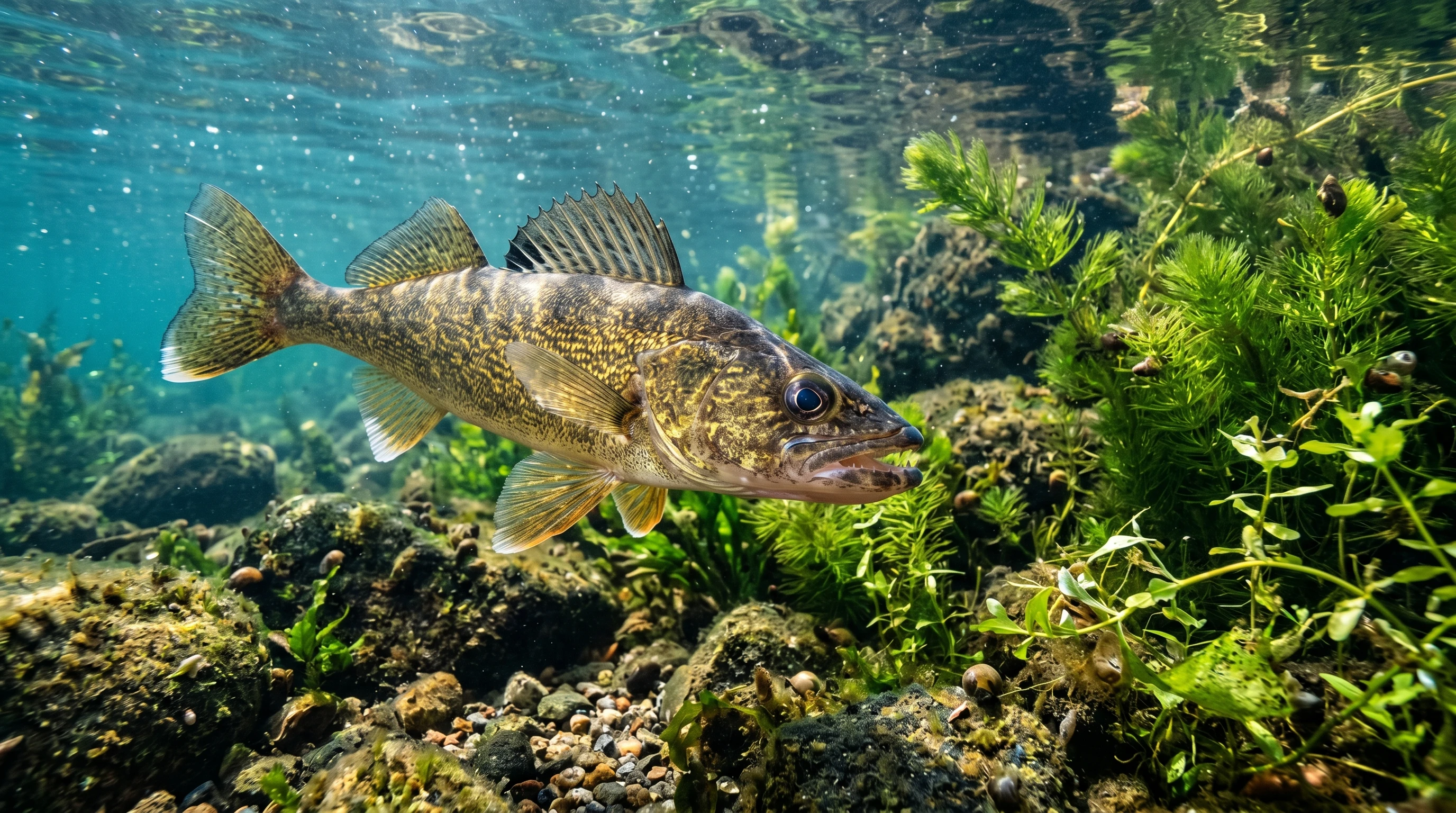
Walleye are best known for their marblelike, reflective eyes and sharp teeth. Their name actually comes from the way light reflects off their eyes in darkness, which is a pretty neat adaptation for hunting prey in low light. They’re generally olive to golden in color with white bellies and a distinctive dark spot at the rear edge of their spiny dorsal fin. These fish grow between 18 and 28 inches in most waters, though I’ve heard stories (with photographic proof) of some stretching way beyond 30 inches!
Habitat wise, walleye are native to freshwater lakes and rivers across much of Canada and the northern United States. They tend to prefer deeper, cooler water with sandy or rocky bottoms during the daylight hours. Once the sun starts dipping, walleye move into shallower shoreline areas to hunt minnows and other small fish. This crepuscular behavior is a big reason why so many anglers get the best results at dawn and dusk.
Getting Started with Walleye Fishing
Catching walleye doesn’t have to be complicated, but tackling it with some preparation always helps. I recommend starting with a mediumlight to medium power spinning rod paired with an appropriately sized spinning reel. Choose a rod in the 6 to 7foot range, as that offers good balance for casting and detecting bites. For line, 6-10 pound test monofilament or fluorocarbon works great because it’s sensitive and less visible underwater. Walleye are pretty wary fish and will pick up on heavier lines.
- Tip on Sensitivity: Walleye have a subtle bite, so rod sensitivity means you’ll miss fewer fish.
- Travel Light: The fewer fancy gadgets you bring, the more you’ll focus on what the fish are doing rather than constantly tweaking your setup.
If you’re just starting out, it’s smart to check in with local bait shops or talk with other fishermen at the launch. They can offer insights into water conditions or seasonal tactics that may change from lake to lake. It’s also worth checking the regulations before you fish—bag limits and slot sizes vary, and following them helps keep local walleye populations healthy for years to come.
Best Bait and Tackle for Walleye
Walleye can be caught on a range of tackle and bait, but some basics work better than others:
- Live Bait: Minnows, nightcrawlers, and leeches are classics and often the most reliable. Rig them on a simple hook below a slip bobber or use a live bait rig with a sliding sinker to keep things natural.
- Jigs: A 1/8 to 1/4 ounce jig head tipped with a soft plastic or live bait is probably the most popular walleye lure. You can bounce it along the bottom or swim it through the water. I like natural colors—white, chartreuse, or brown—especially in clear water.
- Crankbaits: These are great for covering a lot of water when walleyes are spread out. Troll or cast crankbaits that mimic local baitfish. Go with shad or perch patterns if you’re not sure where to start.
- Slip Bobber Rigs: These are super useful when walleyes are hanging just above weed beds or rock piles. Set your bobber so your bait sits just off the bottom and hang tight.
If you only bring a few things, toss in a small assortment of jig heads, soft plastics, a handful of hooks, a couple of slip bobbers, and a few crankbaits. It covers almost all scenarios you’ll face. Having a small but well chosen box lets you adjust quickly if conditions switch up on the water.
How to Catch and Handle Walleye
Getting a walleye to bite is one thing. Hooking and landing it is another. Walleyes can be light biters and tend to mouth the bait before really taking it in, so patience and timing matter. Here’s my usual sequence:
- Cast and Wait: Cast to dropoffs, weed edges, or rocky points. Let your bait sink and wait for that telltale “tick” or subtle tap on your line.
- Easy Does It: Don’t yank right away. Give the fish an extra beat to get the bait fully in its mouth, then set the hook with a quick, firm lift of the rod.
- Steady Retrieval: Keep tension on your line while bringing the fish in. A steady, smooth pull works better than muscling it in fast. Walleye mouths rip easily and aggressive fighting can tear the hook loose.
- Handling Tips: Wet your hands before touching a walleye to protect its slime coat. Handle it gently, supporting the belly with one hand and the tail with the other.
- Dealing with Sharp Fins: Watch for the spiny dorsal fin and those teeth. If you’re releasing, keep the fish in the water as much as possible and use pliers to remove the hook quickly.
If you’re planning to eat your catch, bleed the fish quickly by cutting the gills right after landing it. This improves fillet quality. Otherwise, try to minimize air exposure and release the fish promptly if you’re practicing catch and release. Letting the fish recover in the water before letting it swim off goes a long way toward maintaining healthy fisheries.
Best Time of Day and Year for Walleye Fishing
Whenever someone asks about the best time to chase walleye, I have a pretty simple answer: low light makes a big difference. Early morning right at dawn or just before sunset is when walleye get active and move shallower to feed. Night fishing can be surprisingly productive, especially during the summer months when the midday sun pushes walleye deep and slows them down.
If you’re fishing in spring, target shallow bays as soon as the ice melts. Walleyes move into these areas to spawn and are hungry after winter. In summer, find deeper points, humps, and channels during the day and fish shallower in the evening. Fall is fantastic, too; walleye feed heavily before winter, and they’re often easier to pattern as baitfish move back toward the shore.
- Spring: Fish shallow, slowmoving baits around gravel or rocky areas.
- Summer: Go deeper in midday, with crankbaits or live bait rigs on the dropoffs.
- Fall: Follow baitfish and use aggressive retrieves to trigger bites.
- Winter (Ice Fishing): Jigging spoons and small minnows through the ice can be really effective. Make sure to dress warmly and always check ice safety guidelines before venturing out on the ice.
It’s also worth noting that weather fronts and moon phases can have an impact on walleye activity. Slightly overcast days are often excellent for fishing because lower light levels bring walleyes up shallower. Cloudy, windy days, though tougher on the angler, can create fantastic walleye action.
Common Walleye Challenges and How to Overcome Them
Even with a dialedin approach, walleye can be unpredictable. Here are a few hurdles you might run into with some practical workarounds:
- Short Striking: Sometimes walleye nip at the bait but don’t fully commit. If this happens, try switching to a smaller hook, adding a stinger hook, or downsizing your bait for a more compact presentation.
- Tough Weather: Windy, overcast, or cold fronts slow down walleye. In these scenarios, fish slower and closer to structure; they’ll often hug the bottom and move less.
- Clear Water Spookiness: Walleye in clear water get easily spooked. Use lighter line and stick to natural colors. Approach quietly and avoid unnecessary movement in the boat.
- Hook Removal: Those sharp teeth and spiky fins aren’t just for show. Keep longnose pliers handy for easy, quick hook removal to keep things safe for both you and the fish.
- Locating Fish: On big lakes, walleye can sometimes seem like they disappeared. Lean on electronics like fish finders to locate dropoffs, bait balls, or weed edges, or simply move often and fish new spots until you hit pay dirt. Always be ready to game plan once you pick up a pattern that’s working.
Why Walleye Are Worth Targeting
Walleye offer a perfect blend of challenge and reward. Their mild white flesh is popular at fish fries, and their cautious nature makes each catch pretty satisfying. Many anglers appreciate that you don’t need a ton of expensive gear, just a thoughtful approach to tactics, timing, and handling. They’re also great for introducing new anglers to fishing since you can find them in lakes and rivers all across the northern US and Canada. Walleye populations are managed well in most regions and often support safe, sustainable harvests. That means you can enjoy great fishing now and in the future.
- Table Quality: The taste of walleye fillets is hard to top; sweet, firm, and they flake easily after frying or baking.
- Sport Factor: Even averagesized walleye put up a good fight and reward patient, observant anglers.
- Accessibility: Found in a wide range of waters, they offer fishing opportunities everywhere from remote lakes to city river systems. Many regional fishing contests pick walleye as their main target, so there’s lots of camaraderie among fans of these fish.
Frequently Asked Questions
Q: What’s the easiest way for beginners to target walleye?
Fish around weed edges or rocky points during low light using a slip bobber and live minnow. Keep your setup simple and focus on being patient. You’ll get more bites this way, especially if you make sure your hook is sharp and your bait is fresh.
Q: What should I do if walleye aren’t biting?
Switch your presentation by downsizing your bait, fishing slower, or trying a different location or depth. Sometimes just moving a few feet makes a difference as walleye are sensitive to subtle changes. If you’re still not getting action, try exploring different colors or checking your lure’s action and adjusting accordingly. It’s always worth taking a look at what local anglers are using, too.
Q: Are walleye safe to handle with bare hands?
Yes, if you’re cautious. Wet your hands first to keep their protective slime intact, and be aware of their sharp spines and teeth; always use pliers to remove hooks. If you’re unsure, wearing a glove on your nonreel hand can give you added protection.
Walleye fishing is all about timing, finesse, and adapting to what the fish are doing on any given day. With some basic gear and a little patience, you can enjoy both the chase and the catch, plus a tasty meal if you’re into keeping fish for the table. The more you fish for walleye, the more you’ll start seeing those subtle signs and patterns that lead to regular success on the water. Get out there, experiment, and enjoy every moment—walleyes are a classic prize for good reason!
This post gave me a better sense of why walleye fishing is such a favorite for so many anglers. My husband sometimes heads out on the weekends to fish for walleye, and he always talks about how timing makes all the difference. The part about dawn and dusk being prime hours really caught my attention, since that seems to line up with his experiences.
Beyond those low-light windows, are there particular seasons or weather conditions that consistently give the best results for walleye fishing? It would be great to know so I can share some tips with him before his next trip.
You can catch walleye, all year round if you a prepared properly for the conditions in weather, my article mentions best times to catch them. I have always had good luck with early mornings and evening just before sun set. Water conditions will play a part as well. Murky waters, current movement and so on. if you have more questions, please feel free to leave additional comments.
Great rundown — this is one of the most practical walleye guides I’ve come across in a while. The point about low-light feeding patterns is spot on; I used to fish midday out of convenience and wondered why my livewell stayed empty. Once I shifted to dawn and dusk sessions, especially around rocky points and weed edges, everything changed.
I’d add one thing from my own experience: water temperature can be just as telling as light levels, particularly in early spring. Watching for that first warm pocket near a shallow bay often puts you right on feeding fish before everyone else figures it out.
The handling tips are worth highlighting too, so many anglers skip wetting their hands and don’t realize how much that slime coat matters for survival after release. Appreciate you including both the table-quality angle and the conservation side. Solid, well-rounded piece overall.
Thank you for the positive feedback, I will update my site over the next few days and add more information about the water temps. Thank you for the advice. I really appreciate it.
This was an interesting article. I have tried fishing before, but I did not know much about walleye or what makes them different from other fish. Your explanation helped me understand their habits better and why timing and location matter. What is the best bait for a beginner trying to catch walleye?
The Best Baits I have found to catching Walleye are Minnows in the early spring. you can use nightcrawlers as well, but they work best in when trolling from a boat slowly. Leeches work well in late spring and early summer as well. hope that helps. Please let me know and I will post your story on my website. Thank you for visiting.
Thank you for your thoughtful comment! I’m glad you found the guide helpful and packed with practical advice for targeting walleye. They really are a rewarding species to fish, and understanding their behavior and handling them properly can make every trip more successful. I appreciate you taking the time to read the article and share your feedback.
Thank you very much, I am still working on my website and improving regularly. If you should have any questions, feel free to reach out me through the comment section of my site.