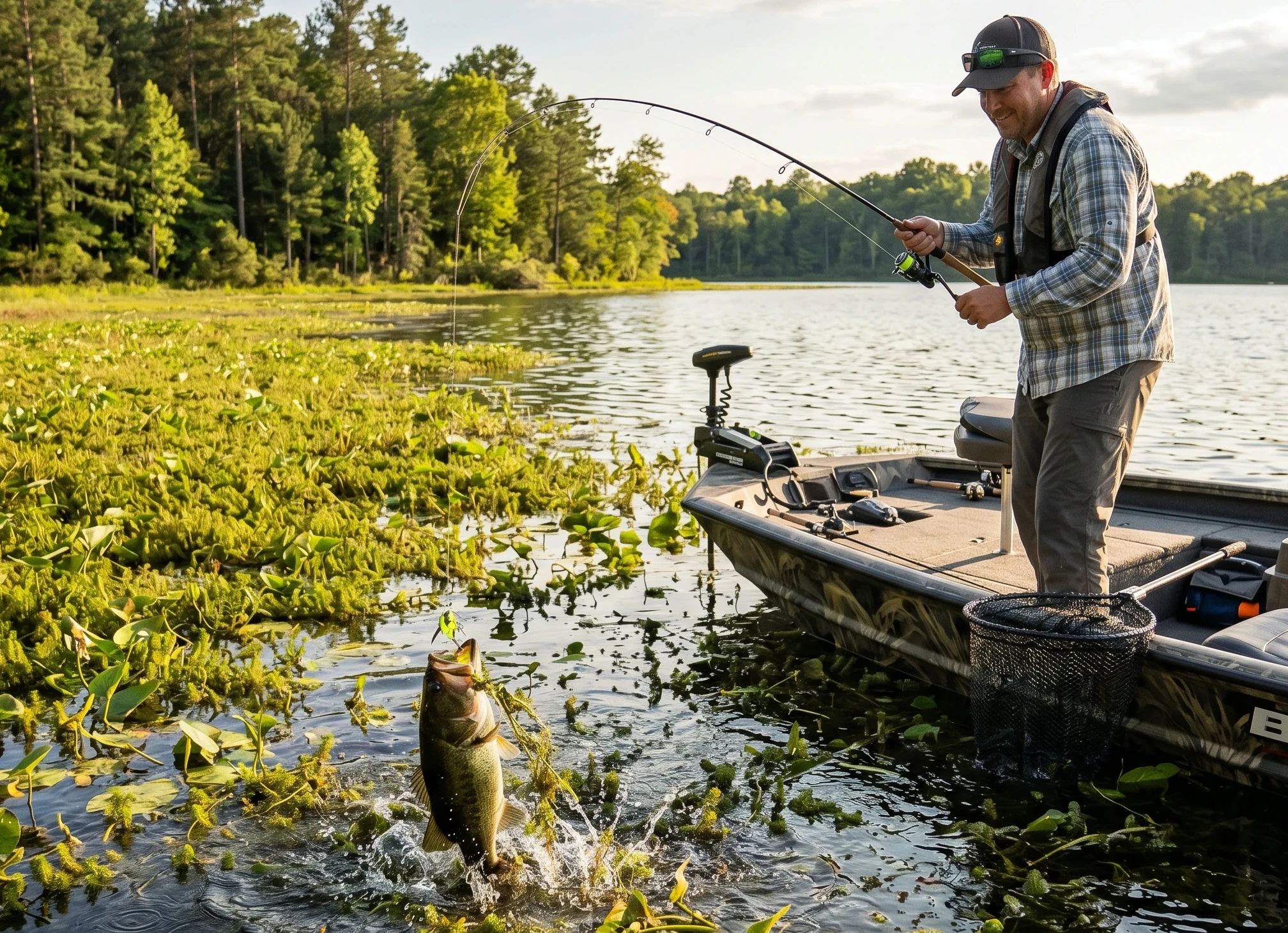
Fishing in weedy areas can be a real game-changer if you know what’s up. Fish love these spots because they offer food, cover, and a whole lot of hiding places from predators. So, understanding why fish are drawn to these aquatic jungles is step one in crafting your master strategy. The weeds provide shade and nutrients, attracting all the small critters fish love to snack on.
Now, let’s talk gear. Picking the right tools is crucial. A sturdy rod with a sensitive tip helps feel those sneaky bites among the weeds. Braided lines are a solid choice since they can cut through vegetation without breaking a sweat. Don’t skimp on lures either. Weedless lures or those made to glide through the grass without snagging are your best friends here. Think about soft plastics or topwater frogs—those bad boys can handle a lot.
Casting in weedy waters isn’t just about luck; it’s about skill. You want to cast beyond the dense spots and retrieve your line smoothly to avoid it getting caught. Slow and steady often works best. Try to mimic the natural movements that would lure the fish out. Remember, smart casting saves you from the frustration of untangling your line every five minutes.
Using the weeds to your advantage sets you apart. Weeds offer fish protection and a cool spot to hang when temperatures rise. If you can identify pockets or clearings within these weed beds, you’ve struck gold. Fish love zones where they can ambush prey with ease. Targeting these areas can up your odds of success significantly.
Fishing tactics in weedy areas aren’t static all year long. Seasons change, and so do the weeds. Summer might bring denser patches, while spring can make spots more sparse. Notice these shifts, because fish movement follows weed growth patterns. Being adaptable and understating these changes can help position you for a catch, regardless of when you’re casting your line.
Maximize Your Fishing Outcomes: Do’s and Don’ts of Fishing in Weedy Areas
Keeping your gear in top shape is crucial. Before hitting those weedy spots, make sure your tackle is up to the task. Regular checks and maintenance can save you from unexpected breaks and lost fish. A sticky reel or a dull hook can turn a good fishing day into a frustrating mess. So, swap those tired lines and sharpen those hooks before venturing out.
Adapting to what’s happening around you is key. Weather changes can impact fishing big time, especially in weedy zones. Overcast days might make fish more active near the surface, while bright sunny spells could push them deeper into the cover. Take a minute to scout out the conditions and adapt your strategy accordingly. It’s not just about having the right equipment—it’s about reading the room, or in this case, reading the water.
Getting hung up in weeds is a common mistake, but it can be avoided with some finesse. When your line gets all tangled up, it eats into your time and patience. Cast thoughtfully and aim for those clear pockets in the weeds to save yourself the hassle. Practice casting with precision to ensure you spend more time fishing and less time fiddling with knots.
Weed density can deceive even the most seasoned anglers. It’s easy to misjudge how thick the underwater foliage is. By simply observing the movement and the color of the water, you can gauge the situation better. A depth finder might be handy to give you more insights into what’s beneath the surface.
Fishing ethically and with respect for the environment shouldn’t be overlooked. Keeping a safe distance from protected areas or spots with thick vegetation helps preserve the ecosystem. Bring all waste back with you, and avoid actions that might harm wildlife or wetland health. It’s about enjoying the sport while keeping it sustainable for the future.