Walleye are known for being a bit tricky to catch, but the right lure at the right time can really make things easier. For anglers of all levels, picking good lures and knowing when to use them can help you land more fish every season. I’ve spent years chasing walleye, and I’ve seen how much difference a little know-how and a solid lure selection can make. This article will walk you through the best walleye lures for each season: spring, summer, fall, and winter. You’ll also pick up some tricks for using them and know exactly when each one shines best.
Why Lure Choice Matters for Walleye
Walleye can seem predictable at times, but they are also known for being stubborn feeders. Because they are highly sensitive to light levels and changes in water temperature, you’ll often find them moving between deep and shallow water depending on the season and time of day.
Matching your lure to these changing conditions is one of the most important factors in catching more fish consistently. The right combination of color, size, and action can mean the difference between a slow day and a cooler full of walleye.
Across North America, walleye fishing is a popular pastime. State fish and wildlife agencies frequently rank walleye as one of the top targets for both casual and experienced anglers. With their glassy eyes, sharp teeth, and excellent table quality, walleye are both a challenging and rewarding fish to pursue.
Top Overall Walleye Lure (Best All-Around Choice)
The most consistently effective walleye setup is a simple lead jig head tipped with live bait such as a minnow, nightcrawler, or leech. This presentation works so well because it closely mimics the natural forage walleye feed on throughout the year.
For artificial-only presentations, the Rapala Shad Rap is widely considered one of the benchmark crankbaits for walleye fishing. It’s realistic swimming action and proven track record in both shallow and deeper water make it a reliable choice in lakes, rivers, and reservoirs.
Best Walleye Lures
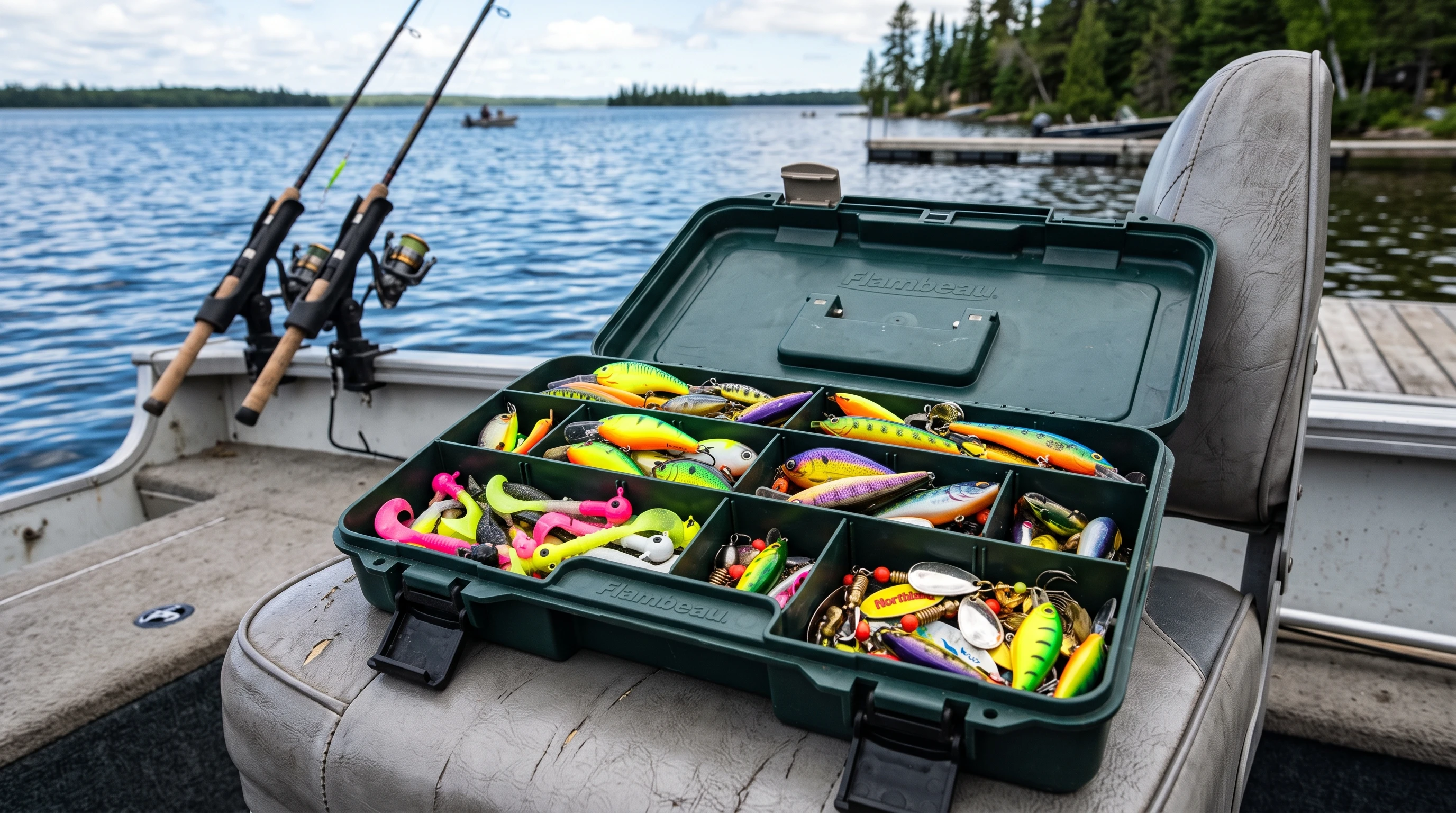
The best walleye lures include jigs with live bait, crankbaits, spinner rigs, blade baits, and jigging spoons. Each works best under different conditions, so carrying a mix of these proven walleye lures will keep you prepared for changing water clarity, depth, season, and fish activity.
1. Jig Head + Live Bait (Best Overall)
A 1/8–3/8 oz lead jig head tipped with a minnow, nightcrawler, or leech is the most reliable walleye setup. It works in nearly every season and is especially effective around structure like drop-offs and rocky points.
2. Rapala Shad Rap (Best Crankbait)
The Rapala Shad Rap is a proven classic for walleye. Its natural swimming action makes it effective in both shallow and deeper water, especially when trolled slowly along weed lines or drop-offs.
3. Spinner Rig (Best for Covering Water)
Spinner rigs with a nightcrawler are ideal for trolling or drifting. They create vibration and flash that help locate active fish in large lakes and reservoirs.
4. Blade Bait (Best for Fall Fishing)
Blade baits are excellent when walleye are feeding aggressively in cooler water. Their vibration and flash trigger reaction strikes, especially near rocky structure and deeper humps.
5. Jigging Spoon (Best for Ice or Vertical Fishing)
Jigging spoons are highly effective in winter or when fishing vertically over structure. Their fluttering action and flash attract walleye from a distance and work well with added bait scent.
Tip
Match your lure choice to water clarity and light conditions. Use natural colors in clear water and brighter or metallic colors in stained water for best results.
Best Lures for Every Season
Walleye habits change significantly throughout the year, so successful anglers need to adapt their tactics to match seasonal conditions. Water temperature, fish location, and feeding behavior all influence which lures work best. Here’s a breakdown of the most effective walleye lures for spring, summer, fall, and winter, along with practical tips to help you get the most out of your tackle box.
Spring: Jigs and Live Bait
Spring is one of the best times to fish jigs for walleye. As the water begins to warm, walleye become more active around spawning areas, rocky shorelines, river mouths, and nearby drop-offs. My top pick is a classic jig head tipped with a minnow or nightcrawler. In stained or murky spring water, brighter colors such as chartreuse, orange, and pink can help the bait stand out.
- How to Use: Cast or vertical jig near rocky shorelines and just off dropoffs. Use slow, bouncy lifts with long pauses to really get their attention.
- When to Use: Try early mornings and evenings, right after ice melts, when walleye move shallow to spawn.
- Bonus Tip: Go with slightly larger jigs (1/4 to 3/8 oz) when waters are high or fast flowing to keep your bait in the strike zone.
Summer: Crankbaits, Spinner Rigs, and Soft Plastics
During summer, walleye often move into deeper water as temperatures rise, making crankbaits, spinner rigs, and soft plastics some of the best summer walleye lures. Troll crankbaits and spinner rigs along weedlines, drop-offs, points, and deeper structure where walleye are feeding. Natural minnow patterns work well in clear water, while brighter colors such as firetiger and chartreuse can be effective in stained or murky water.
- How to Use: Troll crankbaits at slow speeds, around 1-2 mph, along weedlines or over midlake humps. For spinner rigs, try a slow troll or drift along dropoffs using a bottom bouncer and nightcrawler.
- When to Use: Early morning or evening hours are best, but if it’s overcast, the bite might last through the afternoon. Look for walleye schooling around deep points or offshore structure in summer.
- Bonus Tip: Try swapping in slow death style hooks on your spinner rigs—this makes nightcrawlers spin, triggering more bites when fish are picky.
Fall: Blade Baits and Jigging Raps
Fall can be an excellent time to target walleye as cooling water temperatures trigger heavier feeding before winter. Blade baits and Jigging Raps are excellent fall walleye lures because they can be worked near deeper structure where fish often concentrate. Focus on points, drop-offs, rocky areas, and other locations holding baitfish, using controlled lifts and allowing the lure to fall naturally between movements.
- How to Use: Cast blades and let them fall close to rocky piles, then snap them up off the bottom. For jigging raps, work vertically over deep humps once you see fish on your sonar.
- When to Use: All through the fall, but dawn and dusk are especially productive since walleye get more aggressive then.
- Bonus Tip: Metallic finishes shine on bright days while glow or brighter patterns get picked up better on cloudy days or at dusk.
Winter: Spoons and Rattle Baits (Through the Ice)
Winter walleye often require a slower, more deliberate presentation as cold water reduces their activity. Jigging spoons and minnow-tipped jigs are two of the best winter walleye presentations because they can be worked vertically and kept close to fish holding near the bottom. Use subtle lifts, pauses, and controlled movements, especially when walleye are reluctant to chase faster-moving baits.
- How to Use: Drop a jigging spoon to the bottom, give it quick snaps and let it flutter down. Rattle baits pull fish in with both sound and vibration, sometimes just letting them sit after a few zippy moves is all it takes to get a strike.
- When to Use: Early and late ice are top windows for big fish. When the ice thickens and days shorten, target sunrise and sunset.
- Bonus Tip: Try tipping your spoon with a minnow head or a chunk of bait for scent—helpful when fish are lazy and need an extra reason to bite.
Tips for Picking the Right Lure Color and Size
I always bring a variety of colors and sizes. Water clarity, available light, and the prey base all affect what walleye will strike. For clear water, stick to natural looking colors: silver, gold, or shad patterns. In dirty or stained water, go for bolder colors that stand out better, like chartreuse or firetiger.
- Start with three main color types: one bright, one natural, and one dark or glow style.
- Sizes from 1/8 to 1/2 oz work for most situations. Step up to heavier lures in deep water or heavy wind to keep good contact with the bottom.
- A few lures that rattle or glide (like lipless baits) can coax stubborn walleye when a basic presentation just isn’t doing the trick.
Tricks and Tactics for More Walleye Bites
Over the years, I’ve found that how you use your lures can matter as much as which ones you pick. Try out these practical tips:
- Change Speeds Often: Switch up your retrieve speed as you work the lure. Sometimes just pausing or twitching the bait can spark a strike from a cautious walleye.
- Work Structure Hard: Spend extra time fishing around dropoffs, rocky points, and weedy edges—those are high-odds places where walleye like to ambush prey.
- Keep an Eye on Your Line: Walleye often hit soft, so go with sensitive rods and brightly colored line if you can. You’ll spot subtle bites before you feel them.
- Layer Up on Bait: When the bite gets slow, tip your jig or hook with both plastic and live bait to stack the odds in your favor.
Walleye Lures in Real-World Scenarios
I’ve fished everything from stained rivers to the deep northern lakes and massive reservoirs. Each waterbody feels unique. For example, last August in a crystal-clear Canadian Shield lake, a four-inch paddletail swimbait in a natural shad color nailed dozens of walleye at dusk over rock reefs. Contrast that with early spring on a cloudy river: a hot pink jig tipped with a fathead minnow was unbeatable, helping me catch even more than some seasoned locals around me.
It pays to switch up your tactics. Water temperature, clarity, and time of day all affect what works best. Don’t be shy about trying new combinations—a surprising lure color or size might just be the ticket when the ‘standard’ approach isn’t working.
Frequently Asked Questions About Walleye Lures
What’s the best all-in-one walleye lure?
Answer: If I could only bring one, it’d be a 1/4 oz jighead paired with a minnow. With the right color and presentation, this setup lands fish anywhere, any season.
How do you pick colors for walleye lures?
Answer: Stick with natural or metallic colors in clear water, and choose brighter hues like chartreuse, orange, or pink when the water is cloudy or stained.
What gear do you suggest using alongside these lures?
Answer: Lean toward medium-light spinning rods, six to eight-pound test line, and lighter leaders. This boosts lure action and helps with wary fish.
Are live baits better than artificial lures?
Answer: Sometimes, especially in cold water or when fishing is tough. But a carefully worked lure tipped with a tasty morsel can be just as effective as live bait—in fact, sometimes it works even better.
Wrapping Up
Picking the right walleye lure for the season keeps you ahead of the fish and makes every trip more enjoyable. Watch your local conditions, carry a well-rounded set of lures, and always be open to trying new approaches. If you stay curious and keep experimenting, you’ll end up catching more—and bigger—walleye everywhere you fish. Grab a few proven lures and see what bites next time you’re on the water!
Want to learn more about finding and catching walleye throughout the year? Check out our Walleye Fishing Guide for Beginners for more tips on walleye behavior, locations, gear, and fishing techniques.